Monkey Watercolor Animal Clipart: Essential Creative Assets
The Artistic Appeal of Watercolor Clipart
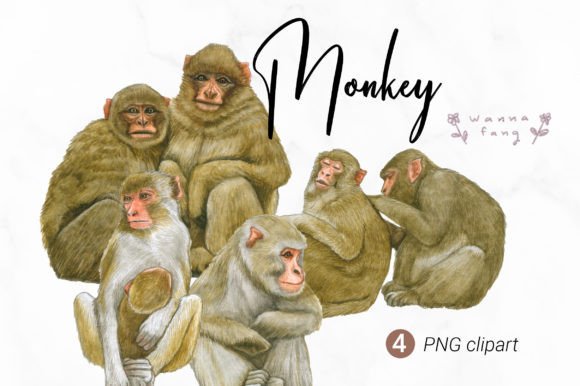
When you are building a brand or designing a campaign, the textures you choose speak volumes before a single word is read. The Monkey Watercolor Animal Clipart collection offers a distinct aesthetic that blends organic warmth with artistic sophistication. Unlike flat vector graphics, these illustrations carry the texture of real paint, featuring soft edges, color bleeds, and the subtle irregularities that make watercolor art so captivating. This style moves away from the sterile perfection of digital design, introducing a "human touch" that resonates deeply with audiences looking for authenticity.
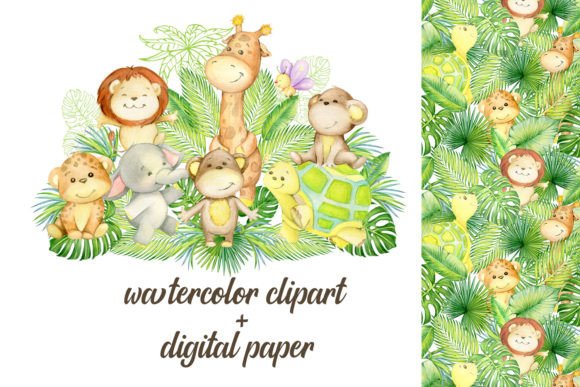
The visual characteristics of this collection are defined by its fluidity. You will notice how the pigment pools in certain areas and fades in others, creating a natural depth that flat colors cannot replicate. The monkeys depicted in this set are not just cute animals; they are characters. Whether they are playful, curious, or relaxed, their personality shines through the brushstrokes. This makes them incredibly versatile. They can fit into a whimsical children’s party theme just as easily as they can complement a bohemian lifestyle brand. The transparent PNG format is crucial here, allowing these organic shapes to layer over complex backgrounds, textures, or patterns without the clunky white boxes that plague lower-quality assets.
Strategic Applications for Designers and Entrepreneurs
Understanding where to deploy these assets is key to maximizing their impact. For graphic designers and brand strategists, the Monkey Watercolor Animal Clipart set is a powerhouse for packaging design. Imagine a boutique coffee brand or a tea company wanting to evoke a sense of exotic origin and handcrafted quality. Placing a watercolor monkey on the label instantly tells a story of sourcing and nature. It elevates the product from a commodity to an experience. Similarly, in the realm of editorial design, these illustrations can break up dense text in magazines or blogs, providing a visual resting point that keeps the reader engaged.
For entrepreneurs and small business owners, particularly those in the stationery or gift market, the utility is obvious but worth exploring in depth. These assets are perfect for social media graphics. In a feed dominated by sharp, vectorized corporate imagery, a soft, watercolor illustration can stop the scroll. It feels artisanal and curated. Use them for Instagram stories, highlight covers, or as background elements for quote cards. The high resolution (600 dpi) ensures that these images remain crisp even when zoomed in or printed on physical goods. You can confidently use them for:
- Greeting Cards and Invitations: Creating a soft, celebratory mood for birthdays or baby showers.
- Scrapbooking and Planners: Adding a artistic flair to personal journals without the mess of actual paint.
- Poster Design: Creating focal points for nursery decor or event flyers that need a playful yet sophisticated vibe.
- Stickers and Decals: Leveraging the transparent background for die-cut sticker sheets that sell well on platforms like Etsy.
Integrating Assets into Professional Workflows
While the prompt mentions "font" in the context of typography, it is vital to treat design assets like these illustrations with the same rigor as a premium font. Just as you would test a serif font against a sans serif font for readability, you must evaluate how this clipart interacts with your typography. The organic nature of watercolor pairs exceptionally well with script fonts and handwritten fonts. The irregularity of the brushstrokes mimics the irregularity of hand-lettering, creating a cohesive brand identity. However, pairing them with a clean, geometric sans serif font can also create a beautiful modern contrast, balancing the artistic flair with professional clarity.
When evaluating project fit, consider the "visual weight" of the illustration. A dense, dark watercolor monkey might overwhelm delicate typography. In web design, you might use the clipart as a subtle watermark or a large hero image, but ensure your navigation and text remain legible. For logo design, while you wouldn't likely use a raster clipart directly as a logo, you can use it as a reference or incorporate it into a larger emblem for a mascot-based brand, provided you stylize it enough to own it.
Technical Quality and Commercial Use
The technical specifications of this collection—specifically the 600 DPI resolution—are not just numbers; they are a safety net for professional output. Many digital assets look good on screen but fall apart in print. With this resolution, you have the flexibility to crop in on specific details of the monkey illustration without losing sharpness. This is particularly useful for paper wrap or large-scale poster printing where the texture of the paper might interact with the ink.
From a commercial licensing perspective, always verify the specific terms of use. However, assets like these are generally intended for both personal and commercial projects. This means you can use them to create products for sale, such as t-shirts or mugs, as well as marketing materials for your business. The value lies in the versatility; one pack of Monkey Watercolor Animal Clipart can serve multiple campaigns across different seasons. It is a small investment that yields high returns in terms of visual quality and brand perception. By incorporating these high-quality textures into your work, you signal to your audience that you care about the details, establishing a level of professionalism and creativity that generic stock images simply cannot achieve.