Turtle Hide in Shell: A Cute Scared Animal for Creative Projects
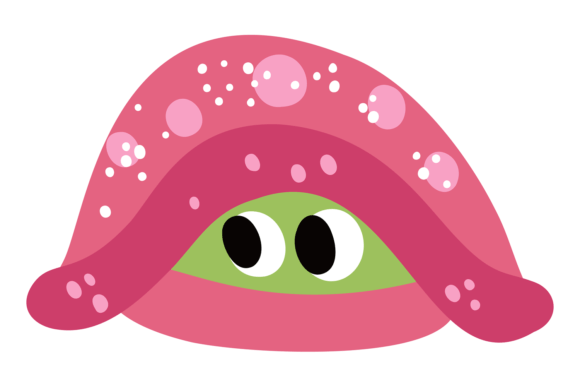
There’s something universally relatable about a turtle retreating into its shell. It’s a moment of vulnerability, caution, and self-preservation—emotions we all recognize. That’s the exact feeling captured by the Turtle Hide in Shell illustration, a cute scared animal character that’s become a surprisingly versatile design asset. Isolated on a clean white background and available as both EPS and JPG files, this little character is more than just a charming graphic; it’s a tool for storytelling, branding, and connecting with your audience on a human level.
The Personality and Visual Appeal
At first glance, the Turtle Hide in Shell character is disarmingly simple. The style is clean, modern, and cartoonish, with soft lines and a rounded form that feels friendly and approachable. The turtle’s expression is key: wide, slightly worried eyes peek out from the shell, conveying a sense of shy curiosity or gentle apprehension. There’s no aggression or complexity here—just pure, relatable emotion. This cute scared animal isn’t terrifying; it’s endearing. It communicates a specific feeling that can be hard to express with words or more abstract design elements.
The color palette is typically limited and adaptable, often featuring natural greens and browns, but the vector format (EPS) allows for easy customization. You can match it to any brand palette or design theme without losing quality. The isolated white background makes it a plug-and-play element for countless applications, removing the hassle of complex cutouts or background removal. This simplicity is its strength. It functions as a perfect display font for visual emotion—a character that immediately sets a tone of lighthearted caution, playful nervousness, or protective self-awareness.
Where This Character Truly Shines: Practical Applications
Understanding where to use a design asset like Turtle Hide in Shell is where its value multiplies. This isn't just a graphic for children's books. Its appeal spans a wide range of professional and personal projects, offering a unique blend of charm and clarity.
- Branding and Logo Design: For businesses that want to project approachability, safety, or a gentle nature, this character is a goldmine. Think of wellness brands, organic product lines, tutoring services, or any small business that wants to say, “We understand your caution, and we’re here to help.” It can be a memorable mascot or a supporting icon within a brand identity system.
- Marketing and Social Media Graphics: In the fast-scrolling world of social media, emotional hooks matter. This cute scared animal is perfect for posts about overcoming fear, starting new projects, dealing with stress, or even humorous takes on Monday mornings. It grabs attention and communicates a message instantly, boosting engagement without a single word of copy.
- Publishing and Editorial Design: As a creative font for imagery, it works beautifully in magazines, blogs, and e-books. It can illustrate articles on mental health, personal growth, or parenting. In children’s publishing, it’s a natural fit, but its sophistication allows it to appear in adult-oriented editorial content about vulnerability and resilience.
- Packaging and Product Design: Imagine this turtle on packaging for a calming tea, a stress-relief toy, or a cozy blanket. It immediately communicates the product’s core benefit: comfort and security. It adds a layer of personality that can differentiate a product on a crowded shelf.
- Digital and Web Design: Beyond social media, it can be a friendly face for a website’s 404 error page, a loading animation, or a tutorial character in an app. It makes digital experiences feel more human and less sterile.
- Crafting and Personal Projects: For hobbyists, the applications are endless. Custom stickers, t-shirt designs, greeting cards, scrapbooking elements, and party decorations can all benefit from its charm. The commercial font licensing (for the illustration) typically allows for this kind of use, making it a valuable asset for Etsy sellers and crafters.
Integrating the Character: A Designer's Practical Guide
Using a powerful design element effectively requires more than just placing it on a canvas. Here’s how to think about integrating the Turtle Hide in Shell character into your work with purpose and professionalism.
Evaluating Project Fit and Audience
First, ask yourself: does this character’s emotion align with my message? The cute scared animal is perfect for themes of caution, preparation, vulnerability, or gentle humor. It would be less suitable for projects demanding high energy, aggression, or ultra-serious corporate tone. Know your audience. Adults aged 20-50, including the designers, entrepreneurs, and marketers mentioned, will appreciate its nuanced emotion and clean execution. It avoids being childish while retaining its warmth.
Font Pairing and Visual Hierarchy
When using this character alongside text, think of it as your primary visual element. Pair it with clean, readable typefaces. A modern sans serif font often works best, providing a contemporary and legible contrast. If your brand uses a serif font for a more traditional feel, ensure the character’s style doesn’t clash. The goal is harmony. The character should support your message, not compete with your typography. Use it to create visual hierarchy—let it draw the eye to a key message or call to action.
Testing and Customization
Always test the asset in context. Place the EPS file in your design software and see how it interacts with your color scheme, layout, and other design assets. Because it’s a vector, you can easily change its colors to match a specific premium font in your brand guide or a background color in your layout. Resize it without losing quality. Does it still convey the right feeling when small as an icon? Does it dominate too much when large? Iterate until the balance feels right.
Understanding the Licensing
Before you download and use the Turtle Hide in Shell file, carefully review the license. Most stock illustration sites offer different tiers. For personal projects (like a blog graphic for your own site), a standard license is usually sufficient. If you plan to use it on products for sale, in a client’s branding, or in a widely distributed digital product, you will likely need an extended or commercial license. This is a critical step to ensure your use is legal and professional, protecting both you and your business.
In the end, the Turtle Hide in Shell character is a testament to the power of simplicity and emotional intelligence in design. It’s a modern typography asset for the visual age—a single image that can tell a complex, relatable story. By understanding its personality, knowing where it fits, and applying it thoughtfully, you can transform a simple cute scared animal into a powerful tool for connection, communication, and creativity in your next project.